Silent Shark Lifeguard Missions in the Pacific Campaign
When your patrol box turns into a rescue station — surface discipline, radio priority, and survival under air threat.
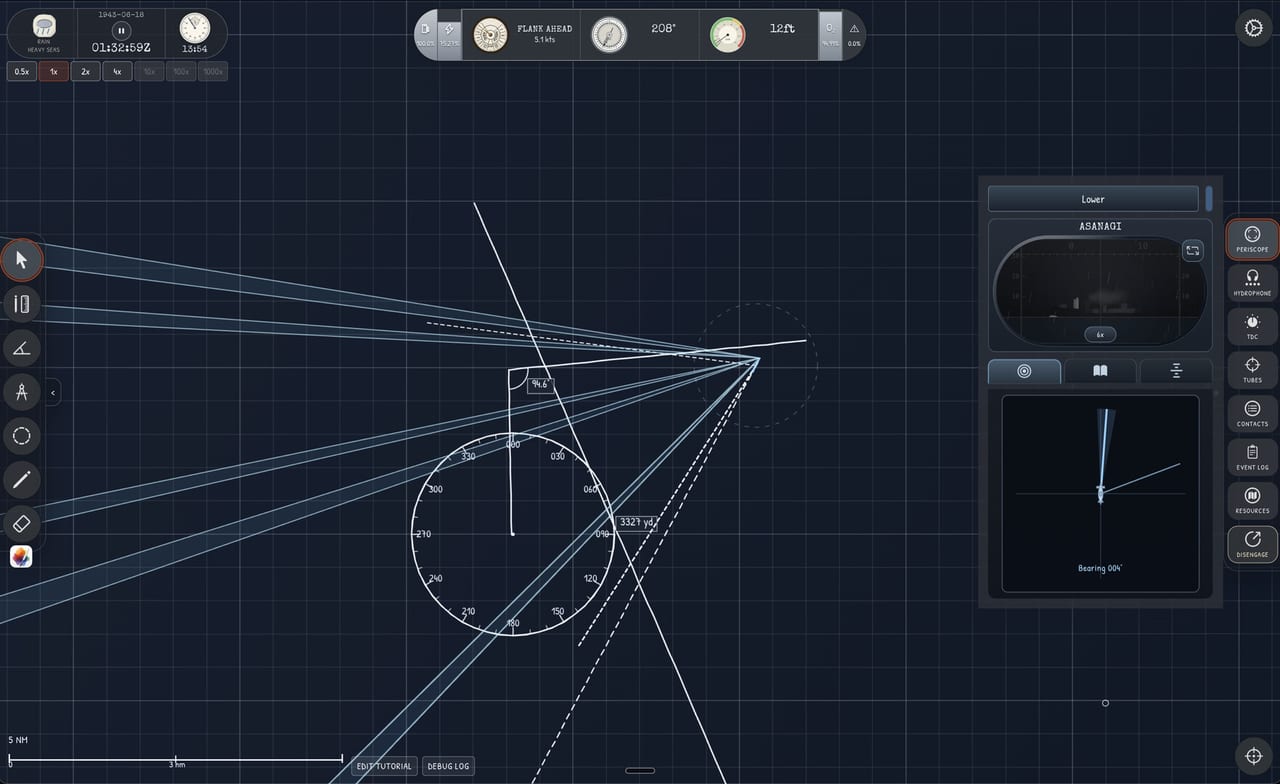
Lifeguard duty is one of the historical mission flavors planned for Silent Shark’s full Pacific campaign (Steam launch August 12, 2026). Instead of hunting merchants only, you may be ordered to stations where downed aircrews need pickup — a mission type that flips many of the habits you learned in attack tutorials.
This page explains how to think about lifeguard work using systems already in the Demo: chart routing, radio intel habits, diving cycles, and surface risk. Exact in-game mission scripts will ship with 1.0; the tactics here stay valid.
What changes versus a hunter patrol
| Attack sortie | Lifeguard mindset |
|---|---|
| Stay invisible until commit | Accept planned surface windows near rescue boxes |
| Torpedo inventory is king | Time-on-station and radio watch matter more |
| Escorts are the main clock | Aircraft and time-to-survivor matter |
| Deep hiding after fire | Controlled surfacing under threat |
Read Diving Cycles and Aircraft before your first lifeguard rehearsal — aircraft pressure is the shared enemy of both mission types.
Radio and chart setup
Lifeguard boxes are still geography. Plot the assigned station on the map tools chart, mark expected air corridors, and leave room for zigzag approaches that do not paint a straight line for search planes. Keep Patrol Radio habits: log timestamps, headings, and any reported ditching coordinates exactly as received.
When intel updates mid-patrol, redraw. A stale rescue box is as dangerous as a stale convoy track.
Surface windows without suicide
You cannot recover aircrew from periscope depth. Plan short, scheduled surfaces:
- Clear the hydrophone for nearby escorts or small craft.
- Check weather and visibility — haze helps you more than them sometimes.
- Surface, execute the pickup window, then dive on a pre-drawn egress leg.
- Do not linger “just in case” with batteries full and sky clear.
If escorts appear, abort the surface plan and survive first — a dead boat saves nobody. Use Evading Destroyers when the rescue turns into a hunt.
Inventory and boat choice
Lifeguard work still burns fuel and food. Campaign resources and submarine classes matter: a boat with better surface speed or endurance may fit late-war rescue stations better than a pure ambush specialist. Torpedo loadouts matter less than reliability of the return trip — but never leave the yard unarmed; the Pacific remains a combat theater.
Historical tone without spoilers
Silent Shark’s campaign includes historical events. Lifeguard operations sit in the late-war air offensive context. Treat them as part of the war’s logistics of survival, not a soft side quest. For the wider timeline, see Historical Events and Pacific Overview.
Demo preparation today
Even without dedicated lifeguard scenarios in every Demo build, practice:
- Timed surface/dive cycles near a charted box.
- Hydrophone clears before every surface.
- Short binocular sweeps — Binoculars and TBT.
- Abort criteria written before you leave depth.
Related hubs
- Campaign Hub
- Guides Hub
- Systems Hub
- Updates Hub for radio-room notes as mission types expand
Lifeguard missions reward skippers who can switch modes: hunter one week, rescuer the next, always listening.
Communication discipline on station
Lifeguard boxes attract radio chatter. Log every ditching report with time, position, and confidence. Do not chase every rumor bearing at flank speed on the surface. Confirm with a second report or a visual search plan that still leaves you a dive exit. The same logging habit that powers patrol radio hunting patrols keeps rescue skippers from painting a racetrack for aircraft.
Night versus day rescue windows
Night surfaces can hide you from casual lookouts and reduce some air search effectiveness, but they also complicate finding survivors and raise collision risk with small craft. Day surfaces improve visual search and binocular sweeps — see binoculars and TBT — at the cost of denser air threat. Pick the window that matches your diving cycle, not the window that feels heroic.
After a successful pickup
Do not celebrate on the bridge. Dive on the pre-drawn leg, clear hydrophone, and only then reassess whether orders demand another pass. A second surface without a new clear is how good boats become history footnotes. If escorts were nearby during the pickup, treat the next hour as an evasion problem first.
Demo drills that transfer
- Chart a fake rescue box and time a five-minute surface window with abort criteria written first.
- Practice binocular sweeps limited to thirty seconds, then dive.
- Run a generator escort encounter immediately after a surface drill so you feel the cost of being shallow too long.
- Read historical events so late-war climate does not surprise you at launch.
Frequently Asked Questions
Quick answers to the most common Silent Shark questions.
Are lifeguard missions in the free Demo?
Dedicated late-war lifeguard career missions belong to the full campaign released on August 12, 2026. Practice surface discipline and radio logging in the Demo now.
Should I unload torpedoes for more rescue capacity?
Do not assume special unload rules until the live build documents them. Plan as a combat submarine on rescue station — armed, alert, and ready to dive.
What kills lifeguard skippers?
Lingering on the surface after the pickup window, ignoring aircraft cycles, and failing to abort when escorts close. Survival first, then return for another try if orders allow.