Silent Shark Resources and Logistics
Torpedoes, fuel, and hull integrity — campaign constraints that turn good TDC math into strategic decisions.
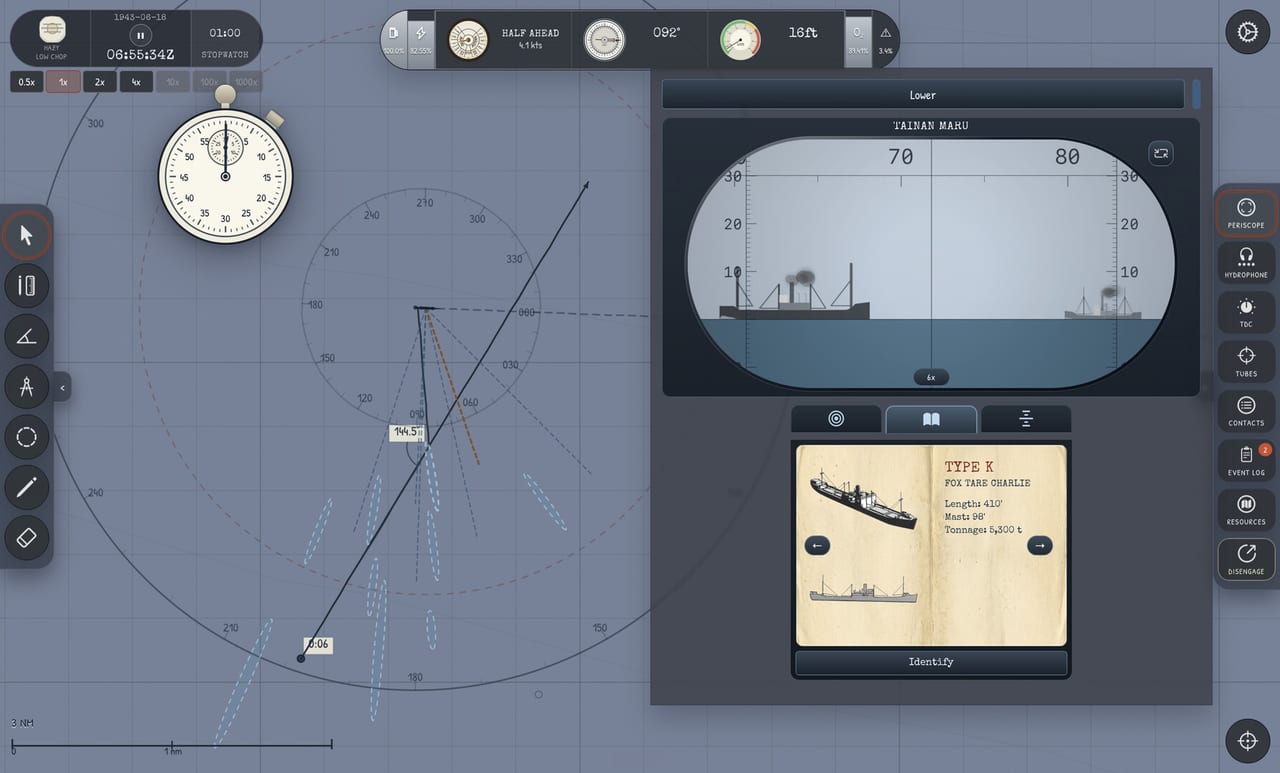
Demo encounters teach how to attack; the Silent Shark campaign ( August 12, 2026 ) adds why to conserve torpedoes, when to abort for fuel, and what hull damage means for the next patrol. Resources turn the tactical loop from Guides Hub into a career game where a missed spread matters beyond one sortie.
Silent Shark remains single-player — logistics pressure is you versus the Pacific, not shared inventories.
Torpedo inventory
Each submarine class carries a finite tube load and reload philosophy — see Submarine Classes. Campaign patrols allocate fish before you sortie; wasting shots on low-value merchants or excessive spread in uncertain solutions drains inventory for later convoys.
Train tight solutions in demo TDC drills so career salvos are intentional, not panic. A common early-career mistake: firing three torpedoes at a small coastal trader, then finding a fat convoy with empty forward tubes hours later.
Reload time and tube count vary by class — know whether your boat can snap shot aft tubes after passing a column or must rely on forward bows only.
Fuel and endurance
Long Pacific routing on the authentic chart consumes fuel. Detouring outside patrol zones for radio contacts — Patrol Radio — has an opportunity cost. Running flank speed everywhere shrinks operational radius even if escorts never appear.
Plan economical transit legs on Map Tools; save bursts for intercept closes or evasion sprints from Evade Destroyers.
Fuel anxiety changes psychology: skippers low on fuel take worse shots because they fear empty patrol returns. Pre-plan abort criteria before you are emotionally invested in a contact.
Boat condition and repairs
Depth charge near misses and collision risk affect hull integrity in career models (exact repair UI at launch). Pushing test depth repeatedly may force early return or port time, skipping reputation gains.
Hull leaks and system damage may interact with noise — harder to hide during evasion if you abused test depth for convenience. Treat test depth warnings as campaign resources, not suggestions.
Reputation and rewards
Successful patrols with efficient resource use advance reputation, unlocking boats and upgrades. Empty patrols or torpedo waste stall progression even if you survive.
Reputation is the campaign’s XP bar — tonnage alone may not suffice if you burn fuel chaotically or ignore patrol orders.
Economic attack doctrine
| Situation | Resource-smart choice |
|---|---|
| Uncertain range at night | Abort vs wide salvo |
| Small merchant, low fuel | Single fish, tight spread |
| High-value convoy | Planned salvo + pre-drawn egress |
| Stale intel | Do not chase across map |
| Last fish aboard | Only high-value beam shot |
| Damaged hull | Avoid prolonged escort fights |
Use Attack Checklist to avoid flooding tubes on bad solutions — each flood is noise and potential waste.
Port cycles and between-patrol decisions
Expect port screens to refuel, rearm, and repair between sorties. How you spend reputation on upgrades — faster reload vs better sensors — shapes the next patrol’s economics. Details at launch in Launch Notes.
Demo vs campaign
Demo scenarios rarely constrain reloads or fuel harshly. Treat demo as skill training; treat campaign as skill under scarcity. Practice demo with self-imposed limits: only one salvo per encounter, or abort if range confidence below your personal threshold.
Related
- Pacific Overview
- Demo vs Full
- Launch Notes
- Stadimeter Range — fewer misses, fewer wasted fish.
Torpedo reload philosophy
Some classes reload slowly enough that you must decide before the attack whether a second chance exists. If not, your first salvo spread must reflect lower retry probability — see How to Use the TDC. Campaign rewards skippers who treat torpedoes like currency, not ammo crates in an arcade shooter.
Fuel planning worked example
Imagine a patrol box eight hours transit from base at economical speed. A four-hour detour for radio contact consumes margin you need for evasion sprints. Sketch total fuel on chart margin at sortie start; when detour would exceed seventy percent of reserve, decline the chase unless mission-critical.
Frequently Asked Questions
Quick answers to the most common Silent Shark questions.
Are torpedoes limited in Silent Shark campaign?
Yes. Full career mode plans inventory and reload constraints by submarine class. Demo encounters are more forgiving for practice.
Does fuel matter on every patrol?
Campaign routing across the Pacific map consumes endurance. Efficient speeds and route planning preserve operational options.
Can I repair submarine damage between patrols?
Career systems include hull condition and port time concepts. Exact repair flow will be confirmed in launch materials.