Silent Shark Diving Cycles and Aircraft Threats
How to schedule dives, manage air and battery, and stay off aircraft radars before and after the August 2026 campaign launch.
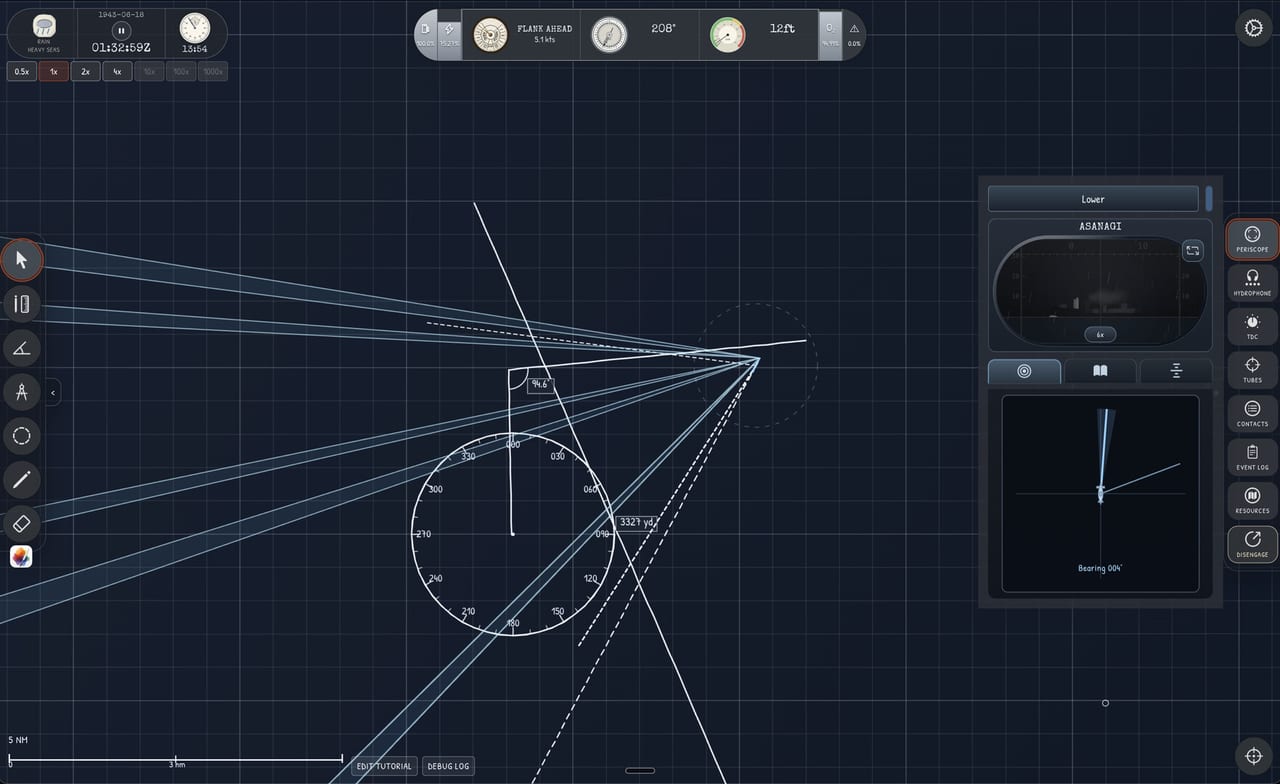
Silent Shark’s full Pacific campaign — released on August 12, 2026 — adds aircraft threats and the need for deliberate diving schedules. The free Demo already teaches depth control and thermal layers; this guide turns those skills into a patrol habit so you do not live on the surface until a plane forces a panic dive.
Developer Learning Hub notes also highlight Diving Cycles beside Evading Destroyers. Think of diving cycles as the quiet sister of escort evasion: less dramatic, just as lethal if ignored.
Why aircraft change the tempo
On the surface you recharge batteries, vent air, make speed, and use binoculars. In the air search denser phases of the war, that same surface time paints your track. A good diving cycle answers three questions before you leave port:
- When do I must-dive windows (known air threat periods)?
- When do I allow opportunistic surface runs for battery and transit?
- Where is my working depth near a useful thermal layer if escorts join the hunt?
Write those answers on the chart margin during First Patrol rehearsals even in the Demo — the muscle memory transfers.
Building a simple diving schedule
Transit legs
- Prefer submerged economical speed through high-threat squares when radio intel or campaign date implies heavy air cover — see Patrol Radio.
- Surface in low-threat windows to sprint or recharge, then dive again before the next daylight search peak.
Attack approach
- Close the last miles at periscope depth or deeper with hydrophone watch, not a long surfaced dash that aircraft can spot.
- Keep the scope feather brief; aircraft and escorts both love a careless stick.
Post-attack
- After a salvo, your first problem may still be destroyers, but do not forget air: a surfaced reload under clear skies can be worse than a delayed reload below.
- Use pre-planned egress depth from the attack checklist.
Battery, air, and telegraph discipline
Diving cycles fail when skippers treat depth as a panic button. Quiet telegraph settings preserve listening quality for hydrophone work and reduce the chance escorts hear you while you hide from aircraft. Flooding tubes, hard turns, and flank bells are loud commitments — save them for the moments Evading Destroyers describes.
In the full career, campaign resources make battery and air part of the war, not just the encounter. A perfect TDC solution means little if you arrive on station with a flat battery because you surfaced all night under air threat.
Thermal layers inside the cycle
A diving schedule without layer awareness is incomplete. Check the bathythermograph when you change depth bands. Crossing a sharp layer at high speed can announce you to escorts even while you successfully dodge aircraft. Prefer deliberate depth changes into a pre-chosen hide.
Demo practice plan
- Run a night convoy encounter where you refuse to surface after the first detect.
- Note battery and listening quality after twenty minutes submerged.
- Repeat with one planned surface window for recharge, then dive before “dawn.”
- Add rain or haze later — visibility changes what aircraft and lookouts can do, but discipline still wins.
Related pages
- Thermal Diving
- First Patrol Walkthrough
- Pacific Campaign Overview
- Lifeguard Missions — late-war air-sea rescue changes surface risk again
- Controls Stations
Aircraft do not replace destroyers as your enemy; they steal the easy surface time you used to waste. Build the cycle now, and the August campaign feels like a harder schedule — not a different game.
Keep a one-line diving schedule on the chart margin every sortie: next must-dive time, next recharge window, and preferred layer depth. That tiny habit beats memorizing rules under stress.
Frequently Asked Questions
Quick answers to the most common Silent Shark questions.
Does the Demo include aircraft patrols?
The Demo focuses on encounter tactics. Full campaign aircraft pressure and long diving schedules arrive with the August 12, 2026 release — practice depth discipline now anyway.
Should I stay submerged the entire patrol?
No. You still need surface windows for battery and transit. The point is scheduled surfaces, not permanent snorkeling fantasies or permanent deep hiding.
How do diving cycles relate to thermal layers?
Your working depth should sit near a useful layer so aircraft-driven dives also leave you ready for escort search. See [Thermal Diving](/systems/thermal-diving/).